Training on Responding to an Active Armed Offender
This training module is designed to help you respond confidently and effectively in the unlikely event of an active armed offender situation. The goal is to provide you with clear information and practical steps to ensure your safety and the safety of those around you.
What Is an Active Armed Offender?

An Active Armed Offender (AAO) is defined by the Australian Government as an individual who is armed and actively engaged in harming or attempting to harm people. These attacks are often sudden and unpredictable, and can involve various weapons such as firearms, knives, or improvised devices. While uncommon, they typically occur in crowded places like shopping centers, transport hubs, entertainment venues, and public events. For security personnel, understanding the nature of these incidents and the recommended response strategies is critical for ensuring your own safety and the safety of those around you.
Responding to an Attack: The ESCAPE. HIDE. TELL. Approach
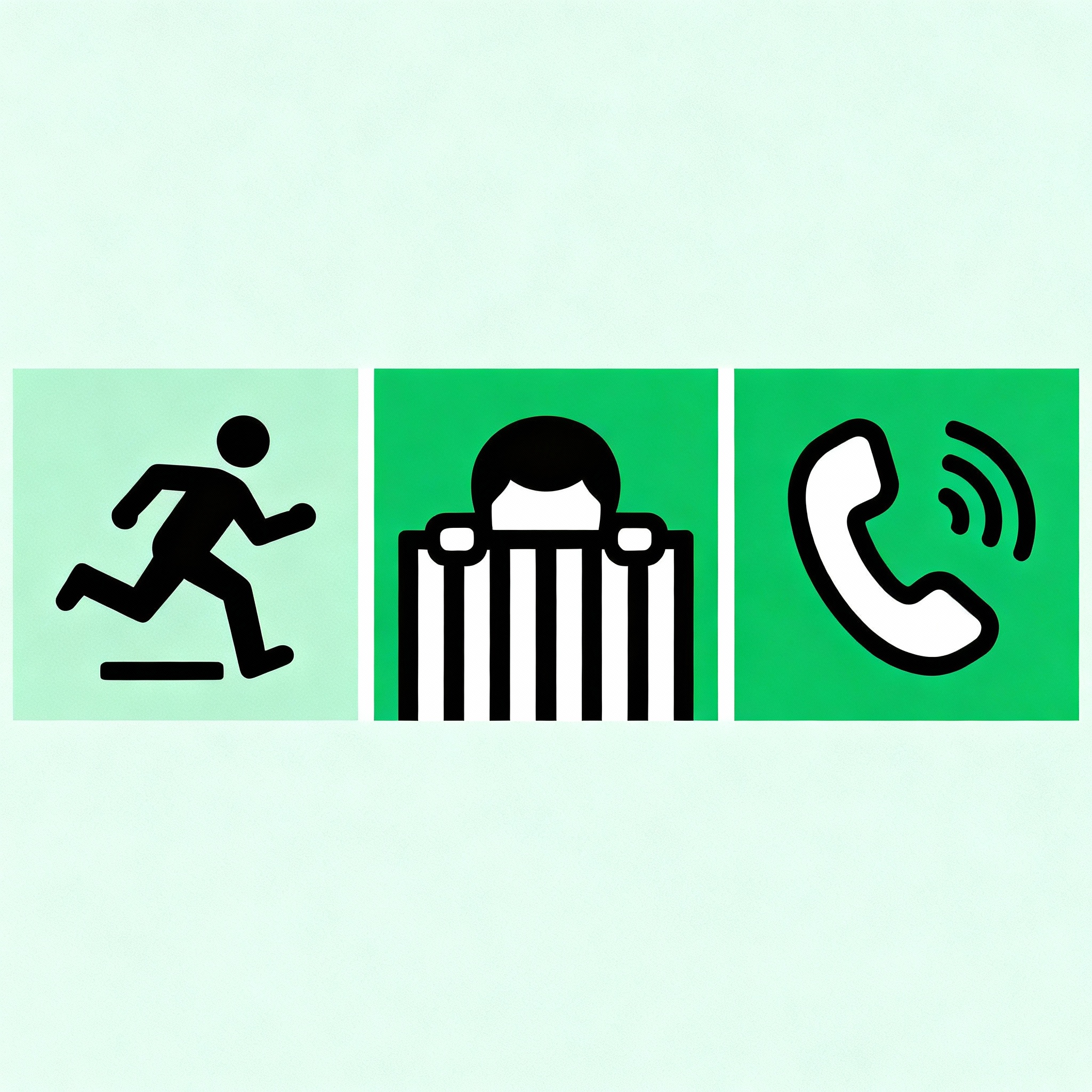
In the event of an attack, what you do matters. The Australian Government provides clear advice on how to stay safe if you are confronted by an attacker. This training introduces the ESCAPE. HIDE. TELL. approach, a set of guidelines that could help save lives.
- Escape: If you have a clear and safe way out, you should escape the area.
- Hide: If escaping is not an option, find a safe place to hide. This may be a secure location or an area out of sight from the offender.
- Tell: Once you are in a secure location, inform the police or other emergency services of the situation.
Flexibility is key; you may need to adjust your plan as the situation unfolds. For instance, you might have to hide before you can escape, or even hide again after escaping the immediate area.
Police Response

When police arrive, their first priority is to deal with the immediate threat to prevent further injury, which may take time. You should follow their instructions, even if they seem firm or if they point their weapons in your direction. To avoid being mistaken for an offender, avoid quick movements, shouting, and keep your hands visible. Police may move past people needing help in order to locate the offender. Once the area is safe, you will be evacuated. If you have safely escaped, stay away from the area until police approach you for information.
Being Prepared
Your ability to act quickly and safely in an incident starts well before it occurs. Preparation and situational awareness are key to recognizing risks early and making confident decisions under pressure. Businesses work behind the scenes to be resilient to terrorist attacks while ensuring the public can still enjoy themselves. As a person, you are the most important asset, and your primary responsibility is to keep yourself and others safe. Here are some things you can do to help prepare:
- Be aware of your role and responsibilities in your emergency evacuation plans.
- Know your evacuation routes and identify alternative routes.
- Consider how you would communicate these routes to people during an incident.
Situational Awareness
Situational awareness is the ability to perceive what’s happening around you, understand what it means, and predict how it might evolve so you can respond appropriately. This skill is especially important in an active armed offender situation because it helps you identify danger, assess escape routes, and make rapid, informed decisions that protect yourself and others. There are three main steps to practicing situational awareness:
- Observe your environment: Actively watch for early signs of conflict or unusual behavior. This can include raised voices, aggressive gestures, unusual clothing, or people avoiding security checks or acting nervously.
- Consider influencing factors: Think about what might increase risk or escalate a situation. This includes crowded environments, alcohol or drug use, disputes between individuals, or environmental factors like noise. Awareness of these elements helps you anticipate how a situation might develop.
- Be aware of your body’s response: Recognize your body’s “fight, flight, or freeze” reactions to a high-stress situation. You might experience an increased heart rate, an adrenaline surge, or shaking. Recognizing these reactions can help you stay in control, manage stress, and make clearer decisions under pressure.
Internal and External Risk Categories
When observing a situation, it’s important to consider both internal and external risks.
- Internal Risks are related to the business itself and can include security standard violations, safety hazards, trusted insiders, unauthorized people, and emotional or aggressive individuals.
- External Risks are threats originating from outside the business. These include safety hazards, break and enters, acts of terrorism, protestors, surveillance, property damage, and emotional or aggressive people.
The LOOK. THINK. CHOOSE. ACT. Framework

The LOOK. THINK. CHOOSE. ACT. framework is a helpful, four-step tool for identifying hazards and making confident, on-the-spot decisions.
- LOOK: Ask yourself what has changed in your work environment, how you can tell, and if the hazards are internal or external risks.
- THINK: Consider what could go wrong, the level of risk to yourself and others, and if there are any inconsistencies in a person’s story.
- CHOOSE: Decide on your response, ensuring it aligns with company and legislative guidelines. Ask yourself what control measures to implement to ensure safety and who to call.
- ACT: Take action based on your chosen response. This may include engaging verbally, calling for backup, following the site’s escalation process, or calling emergency services.
This comprehensive training module can help you build the skills needed to stay alert, be prepared, and respond with confidence.